Nobody looks forward to the performance review season. Not the manager scrambling to remember what happened in March, and not the employee bracing for vague feedback.
If your employee assessments feel more like a compliance box to check than a real conversation, it’s probably costing you your best people.
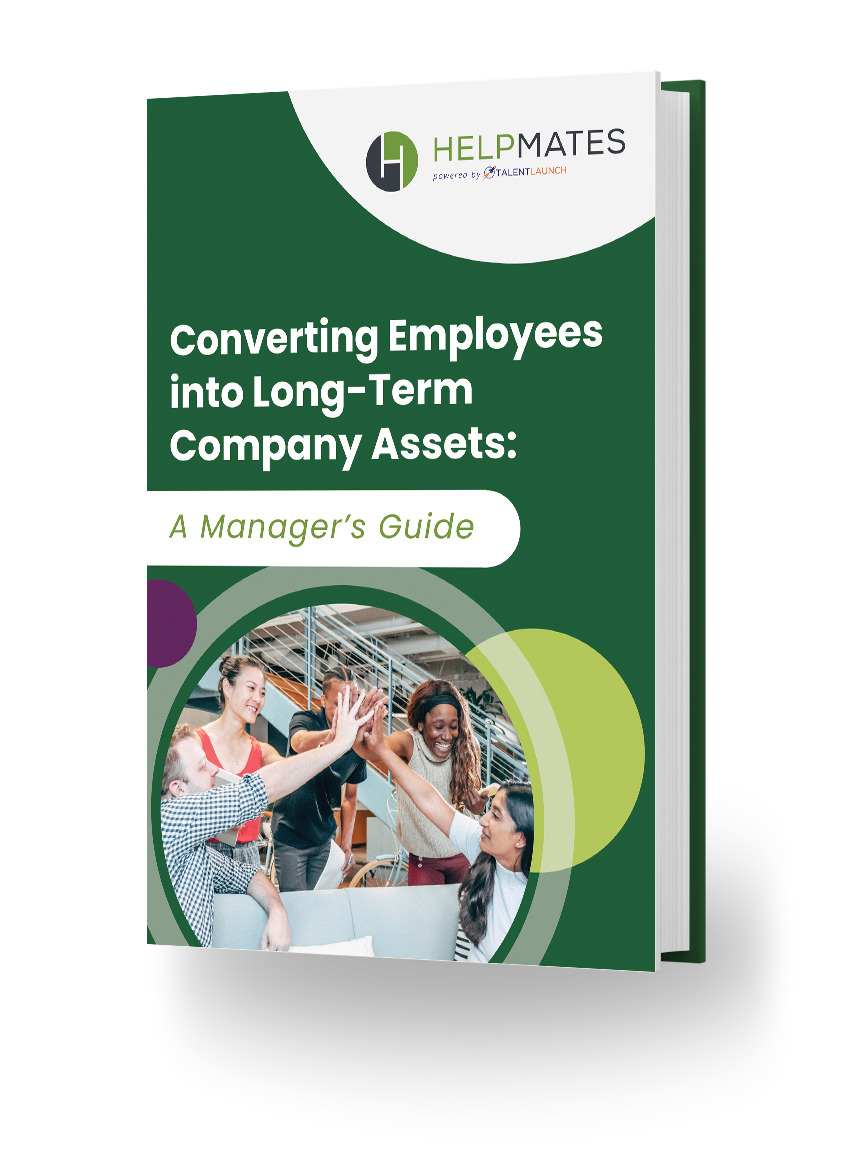
As the third installment in our recruitment and retention strategies series, here’s how to build a performance management system that works. Plus, a free template to get you started.
Why Most Employee Assessments Fail Before They Start
Most employee assessments fail for the same reason: they turn into a once-a-year formality instead of an ongoing conversation. Managers scramble to remember six months of work in a 15-minute meeting, feedback stays vague enough to avoid conflict, and nothing said in the room actually changes what happens after. The result is a system nobody trusts.
SHRM defines performance management as:
The process of maintaining or improving employee job performance through the use of performance assessment tools, coaching, and counseling as well as providing continuous feedback.
The operative word being continuous.

One meeting a year isn’t a system. An effective performance evaluation and feedback system goes hand-in-hand with providing development opportunities and paths to promotion, because employees who see a real growth path are more likely to stay committed long-term.
“One thing I’ve learned as a leader: when performance conversations go undocumented, it becomes very difficult to create true accountability,” says Kristina Hayden, Helpmates’ Chief Operating Officer. “We may remember having the conversation, but the employee may walk away with a completely different understanding of what was discussed or expected.
“Employees deserve to understand how they’re being measured, what success looks like, and where they stand throughout the year. When we document along the way and have regular, honest conversations, the formal review becomes a recap of an ongoing dialogue — not a surprise.”
Kristina Hayden, Chief Operating Officer
Employee Evaluation and Assessment Best Practices
Successful workplace retention programs require organizations to be fully engaged and consider initiatives like completion bonuses and timely promotions. These rewards are typically tied in with performance reviews and the goals set forth within them.
Here are four best practices to include in your employee assessment program.
Design an Evaluation System With Measurable Goals
Create a comprehensive evaluation framework that includes specific and measurable goals aligned with your company’s objectives.
We recommend making S.M.A.R.T goals:
- Specific
- Measureable
- Achievable
- Relevant
- Time-bound
While this can look vastly different from one organization to another, all organizations should make the evaluation process fair and transparent, while encouraging employees to stretch and strive for excellence.
Give Constructive Feedback That Goes Two Ways
We cannot understate the importance of ongoing feedback and open communication.
Establish regular performance review cycles, during which employees receive constructive feedback on their strengths and areas for improvement. Consider including feedback from their peers as well.
But don’t stop there. It’s just as important to receive employee feedback on their manager’s (and company’s) strengths and areas of opportunity. Two-way feedback and evaluation systems cultivate a culture of trust and continuous improvement, motivating long-term staff to reach their full potential.

Recognize and Reward Exceptional Performance
It’s vital for organizations to recognize and reward exceptional performance. Build a robust employee recognition program that celebrates milestones, achievements, and contributions.
Everyone likes to feel appreciated. These initiatives not only motivate talent, but also create a positive work environment that fosters loyalty and commitment.
The more you get to know your employees, the more individualized your recognition and rewards can be. Examples of initiatives that Helpmates celebrates include:
- Specialist of the Month
- National Staffing Employee Week
- Sharing positive client feedback
- Onsite visits to recognize specialists in person and present them with a gift of appreciation
Build strong and enduring relationships with your employees by acknowledging their individual strengths and accomplishments — you’ll find it’s a powerful driver of employee engagement and retention.
Ensure Development Opportunities and Paths to Promotion for High Performers
All companies have them: High Performers. Nurturing your high performers is part of recognizing and rewarding exceptional performance, yet deserves a section of its own.
These employees carry massive potential for your organization, so provide them with opportunities for career advancement. Create clear development paths and keep them updated on the path progression. Invest in their growth, further develop their skills, and enable them to take on more significant responsibilities and leadership roles within the company.
Get informal check-ins and formal performance review examples all in one template.

So, How Do You Fix a Broken Review Process?
Fix it by treating assessments as an ongoing system, not an annual event: measurable goals, two-way feedback, and real recognition, built into a regular cadence instead of a once-a-year scramble.
- A strong performance management system is important for the development of your employees and your organization.
- Evaluations should include measurable S.M.A.R.T. goals that are tied to overall company goals
- Constructive feedback is a two-way street that should cultivate a culture of trust and continuous improvement
- Recognizing and rewarding employees for their contributions is a powerful engagement and retention tool
Next Up: Maintaining a Positive Work Culture
The next installment in our recruitment and retention strategies series dives into positive work cultures. Even if you do all of the other steps in our series right, your company’s work culture can make or break your entire retention strategy.
Can’t wait? Get the free e-book now!