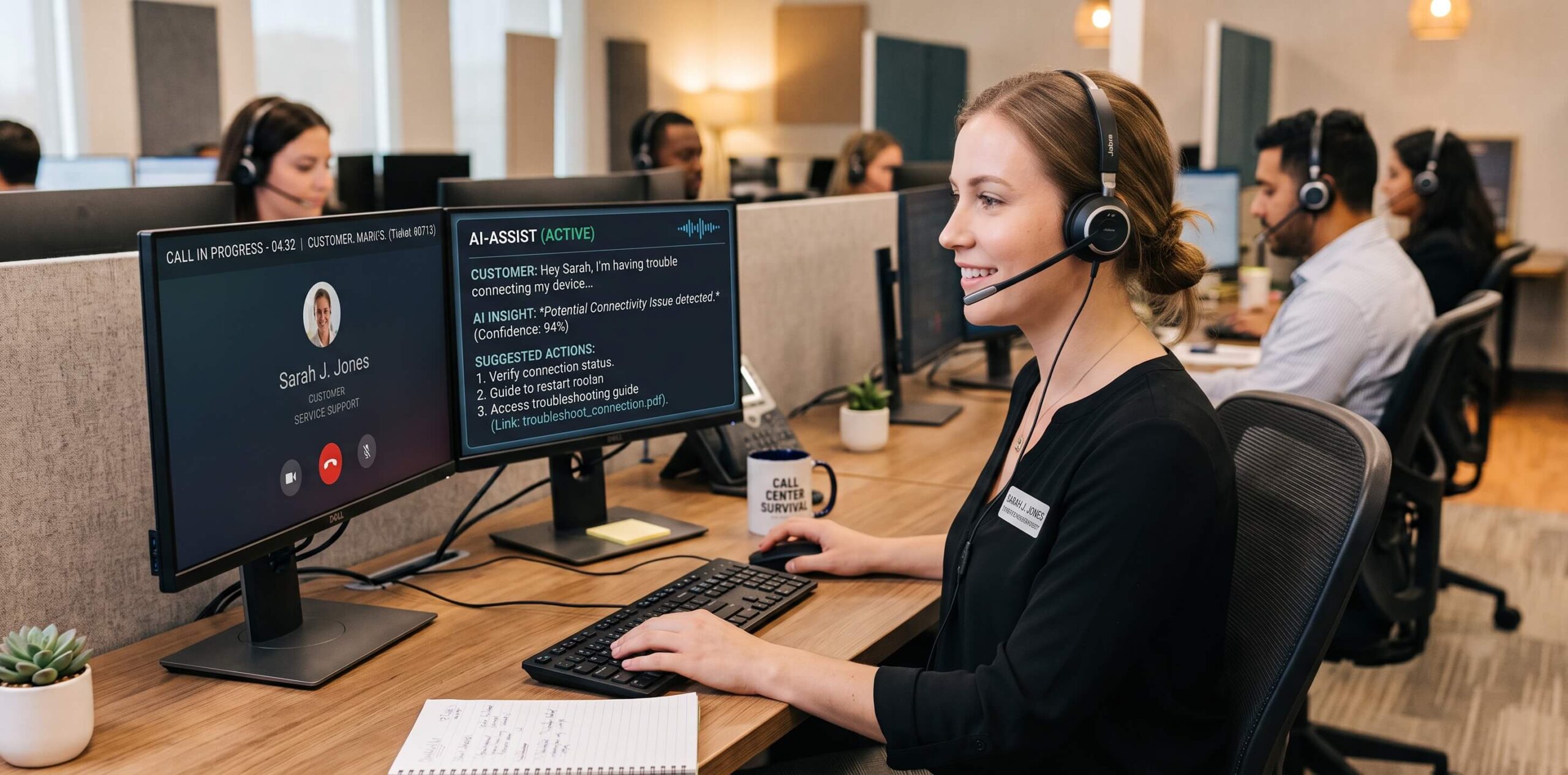

Your ATS already uses AI. Your video interview platform probably does too. And if you haven’t updated your applicant disclosures since January 1, 2026, you may already be out of compliance.
California’s Civil Rights Department finalized AI hiring regulations in October 2025, and new CCPA rules on automated decision-making technology took effect January 2026. A third bill, AB 1018, is still moving through the legislature
Because California’s AI regulations move faster than a Silicon Valley startup, we host quarterly deep-dives to break down these shifts in real-time.
Here’s what you need to know about California labor law: what’s already in effect, what’s still pending, and what your HR team should be doing about both.

What California Law Says about Using AI in Hiring
FEHA & Automated Decision Systems
At the core of California’s approach to AI in employment is a commitment to fairness, transparency, and accountability.
That’s especially clear in the Civil Rights Department (CRD) regulations that took effect in October 2025. These rules require employers to examine the potential for discrimination when using automated decision-making systems (ADS).
These mandates require both employers and third-party vendors to test their AI tools for bias and retain four years of documentation for:
- Résumés
- Algorithms
- Decision-making criteria
The goal? Keep tech from repeating the same old human mistakes and make sure discrimination doesn’t get an algorithmic makeover.
However: Even if your AI tools are developed or hosted by a third-party vendor, you’re still responsible under FEHA for how those tools are used in employment decisions.
CCPA/CPRA + ADMT Notice
Privacy is the other side of the coin. And as of January 1, 2026, it has teeth.
New regulations under the California Consumer Privacy Act (strengthened by the California Privacy Rights Act) now require employers to notify job applicants before using automated decision-making technology (ADMT) that could significantly affect their employment.
That means your ATS ranking, your AI video scoring tool, your automated screening filters; if they’re influencing who moves forward in your hiring process, candidates need to know.
The required notice isn’t a checkbox. You must explain what data is being collected, how it’s being used, and — in many cases — offer candidates a clear path to request human review instead.
The compliance timeline matters too. Businesses must complete a risk assessment for any ADMT in use by December 31, 2027, and submit documentation to the California Privacy Protection Agency by April 1, 2028. If your tools were already in use before January 1, 2026, that deadline applies to those too.
The direction California is heading couldn’t be clearer: AI-assisted hiring is a regulated practice here, full stop. That means deliberate planning, thorough documentation, and a hiring process your HR team can actually defend.
Pending California Legislation
California lawmakers haven’t stopped at what’s already in effect. Assembly Bill 1018 (Automated Decisions Safety Act) is the one to watch.
Introduced in February 2026, AB 1018 would be California’s most sweeping AI employment law yet. If passed, it would require employers to:
- Complete third-party bias audits before deploying any AI system in hiring or workforce decisions
- Provide detailed documentation of how automated systems make — or influence — employment decisions
- Give workers and applicants the right to opt out of AI-driven decisions entirely
A critical distinction: the bill places these obligations on employers, not just AI developers. Even if a vendor built the tool, you’d be responsible for meeting the audit and documentation requirements before using it.
AB 1018 is actively moving through the legislature. It cleared Appropriations on May 23, 2026. May 29 is the deadline to pass out of its chamber of origin.
Two earlier bills with similar ambitions — SB 7 (vetoed in late 2025) and SB 468 (stalled in committee) — didn’t make it. But as one employment law firm put it after SB 7’s veto, expect a version of this to keep coming back until something sticks.
What the Legislation Looks Like Right Now
| Law/Bill | Status | Effective |
|---|---|---|
| CRD AI regulations (FEHA/ADS) | In effect | October 1, 2025 |
| CCPA/CPRA ADMT rules | In effect | January 1, 2026 |
| SB 7 (No Robo Bosses Act) | Vetoed | — |
| AB 1018 (Automated Decisions Safety Act) | Active/pending | TBD |
| Last updated September 2026 |
Common AI Pitfalls That Lead to Legal Trouble
The most common legal exposure comes from three areas: algorithmic bias baked into training data, ‘black box’ tools that can’t explain their decisions, and AI video interviews that collect biometric data without proper disclosure.
Algorithmic Bias
AI learns from past data, so if that data reflects historical discrimination, the tool may carry those patterns forward. This is algorithmic bias, and it’s one of the top concerns for regulators with AI in hiring.
Why? Because it could mean filtering out qualified candidates based on traits like age, gender, or ethnicity.
For example: Imagine your AI screening tool is trained on resumes from your past top performers. If your historical workforce skewed heavily male, the tool might start favoring resumes that reflect male-associated traits—such as specific keywords, leadership styles, or even alma maters—without explicitly filtering by gender.
The bias is subtle but real, and it could result in qualified female candidates being overlooked without any manual review.
Reputational risk aside, this may still violate FEHA and Title VII—even if the bias is unintentional or the tool was built by a third party.
Black Box Algorithms
Another issue is the use of so-called “black box” algorithms: tools that deliver results without a clear explanation of how decisions are made.
If a candidate is rejected based on an AI recommendation and there’s no clear rationale, that opens the door to legal challenges and undermines trust in the hiring process.
For example: Your company implements an AI tool to assess job applicants based on written responses. Over time, you notice that candidates with strong qualifications are being rejected, but the platform offers no explanation.
When questioned, the vendor simply states that the model “weighs multiple linguistic factors” without elaborating. This lack of transparency leaves your HR team unable to defend their hiring decisions, creating compliance risk and damaging candidate trust.
Regulators increasingly expect employers to be able to justify and explain how AI-driven decisions are made, particularly when those decisions affect employment opportunities.
Real-World Consequence: The Workday Class Action
In May 2025, a federal judge certified a nationwide class action against Workday on behalf of millions of job seekers over 40 who applied through Workday-powered hiring portals and were never hired. The plaintiffs allege they were screened out by algorithm, often rejected within minutes, with no human ever reviewing their applications.
What makes this case significant for California employers isn’t just the scale. It’s the liability question. Workday built the tool. But the companies using Workday to make hiring decisions are the ones with exposure under FEHA and Title VII — because the law doesn’t distinguish between a bias your team created and a bias your vendor’s algorithm imported.
If your ATS is making, or heavily influencing, hiring decisions and you can’t explain why a candidate was screened out, you’re in the same position as every employer in that class.
AI Video Interviews + Privacy Concerns
Video-based AI tools present an additional layer of risk.
These platforms often analyze facial mapping, speech patterns, and body language—and may rely on biometric data to do so.
In California, collecting or analyzing biometric information without proper notice and consent could violate the CCPA, especially if the data is stored or shared with a third party.
Consider this scenario: Your HR team uses an AI video interview tool that scores candidates based on facial expressions and tone of voice. The vendor automatically stores that data to “improve accuracy over time,” but doesn’t offer a way for candidates to opt out.
If you don’t explicitly disclose this data collection in writing, it may fall under California’s definition of sensitive personal data. That could trigger strict consent and disclosure requirements under the CCPA and CPRA, and you could face serious compliance violations.
In the Golden State, transparency and consent aren’t just suggestions or best practices. They’re legal requirements (and a whole vibe).

Red Flags to Watch for in AI Hiring Tools
Not all AI platforms are created with compliance in mind. Here are a few red flags to look out for:
- No transparency into how hiring decisions are made
- Inability to provide documentation of a bias audit
- Fully automated decision-making with no human oversight
- No option for candidates to opt out, review results, or request an explanation
- Collection of sensitive or biometric data without clear disclosure or retention policies
If a vendor raises one or more of these concerns, dig deeper to decide if they are the right fit for your compliance-conscious HR team.
Smart Questions to Ask AI Vendors
The following questions can help you determine whether an AI tool aligns with California’s legal standards and your organization’s values.
Can candidates access the logic or rationale behind automated decisions?
Why it matters: If a candidate asks why they were rejected, you need to be able to provide a meaningful answer. Tools that can’t explain their decision-making process not only erode candidate trust but also raise red flags for regulators who expect transparency in automated employment decisions.
Has the system been independently audited for bias?
Why it matters: If a tool hasn’t been tested for bias by a third party, you may not know whether it’s unintentionally overlooking certain groups. A lack of external validation makes it harder to detect hidden patterns that could lead to discriminatory patterns—and harder to defend your decisions if challenged.
Are final decisions made with human input, or is the process fully automated?
Why it matters: A staffing team once used a tool that automatically rejected candidates who didn’t meet a GPA threshold, something programmed years earlier by default. One qualified applicant was screened out due to a low GPA from a decade ago, despite years of experience and relevant skills. No one on the team realized it until a manual review caught the pattern. That kind of unchecked automation can cost you top talent and open the door to claims of unfair hiring practices.
What types of data are collected, and how long is it stored?
Why it matters: Some tools collect more than just application data. They might track facial movements, voice tone, or typing speed. If that data includes biometric or sensitive personal information, you’re responsible for how it’s stored, disclosed, and deleted under CCPA. Not knowing puts your organization at legal risk.
These questions reduce your company’s liability and help build a hiring process that is efficient and equitable.

Responsible AI Use Beyond Hiring: Performance and Engagement
While much of the regulatory spotlight is on AI-powered recruitment tools, many California employers are also exploring AI in other areas of the employee lifecycle, like performance management and employee recognition and engagement.
Tools that analyze productivity data, flag potential burnout, or recommend development plans can be valuable, but they come with the same legal and ethical responsibilities as AI hiring platforms.
AI and Employee Monitoring
Tools that track keystroke data, screen time, internal communications, or behavioral patterns may trigger privacy protections under California law.
And if AI is guiding decisions about promotions, discipline, or compensation, those systems may also fall under FEHA’s anti-discrimination requirements, regardless of whether a human signed off on the outcome.
Start by documenting exactly what monitoring tools are in use. Then get specific: what data is being collected, how it’s being used, and how long it will be retained. That documentation shouldn’t live in a filing cabinet — it needs to reach your employees in plain language.
- For job applicants, include a disclosure at the start of the application process explaining that AI may be used, how it factors into decisions, and (where applicable) how to request human review instead.
- For new hires, build this into onboarding paperwork or annual policy updates, with a signature or digital acknowledgment confirming understanding and consent.
- For current employees, if performance evaluation software or generative AI tools are part of their workflow, your policy should acknowledge what’s being monitored, prohibit uploading confidential or proprietary information, and require employees to acknowledge the policy in writing.
- Acknowledge monitoring: Make it clear that any uploaded information—like productivity data or AI-assisted outputs—can and will be reviewed.
- Set guardrails: Prohibit uploading confidential or proprietary information, such as client lists, financial data, or internal strategy documents.
- Require consent: Have employees acknowledge this policy and confirm they understand the expectations.
If an AI tool influences compensation, advancement, or disciplinary decisions, make sure a human reviews the output before any final call is made, employees understand how AI contributed to the decision, and there’s a clear process for them to ask questions or push back.
AI Tools for Employee Engagement and Retention
To use AI responsibly for engagement and retention, HR leaders should follow three key principles.
Transparency
Clearly explain what AI tools are being used, what data they rely on (e.g., survey responses, engagement scores, performance trends), and how those insights are used to inform HR actions. This communication should be built into onboarding materials, employee handbooks, or digital dashboards (not buried in fine print).
Fairness
Make sure the AI isn’t unintentionally biased. For example, if an AI flags someone as a “flight risk” based on tenure or attendance without considering context, it could reinforce inequities. Regularly audit AI outputs and supplement them with human judgment to avoid one-size-fits-all decisions.
Consent
While explicit opt-in may not always be required, employees should have the ability to understand what data is being collected, ask questions, and opt out of non-essential tracking. Giving them this agency reinforces trust and improves adoption.
Balancing Innovation With Human Judgment
AI can be a powerful HR tool, but it’s not a replacement for people. The most effective (and legally sound) approach is to use AI to support decision-making, not substitute it.
A well-balanced process preserves the candidate experience, reduces the risk of discriminatory outcomes, and allows recruiters to catch nuances an algorithm might miss.
The human touch still matters. Candidates want to feel seen and heard, not sorted and filtered out by a machine. Maintaining human oversight supports inclusive hiring practices and delivers better outcomes for both employers and job seekers.

How Helpmates Can Support Your AI-Smart Hiring Strategy
The rules are real. The liability is real. And they’re only going to get more layered as pending legislation continues to move through Sacramento.
What Helpmates brings is a hiring partnership that stays ahead of these shifts for you — so your HR team doesn’t have to become an AI compliance team on top of everything else.
We vet candidates using tools that meet California’s standards. We document what we use and how. And we keep your team informed through our free quarterly HR compliance webinars, where employment attorneys and HR specialists translate new regulations into plain, actionable guidance.
Ready to hire with less risk? Let’s talk.
Master the AI Learning Curve
Before It Becomes a Liability
Legal changes? We’ll explain what they mean. AI compliance tips? We’ll give them to you straight. Join hundreds of Southern California HR leaders who use our quarterly seminars
to stay informed, certified, and way less stressed.